



Artificial Intelligence is a vital part of conveniences we take for granted, from shopping recommendations to voice assistants. As helpful as this technology is, it has the capacity to perpetuate harm when misapplied. Watch this Meetup Live event, for a discussion on the ethics of artificial intelligence and machine learning.
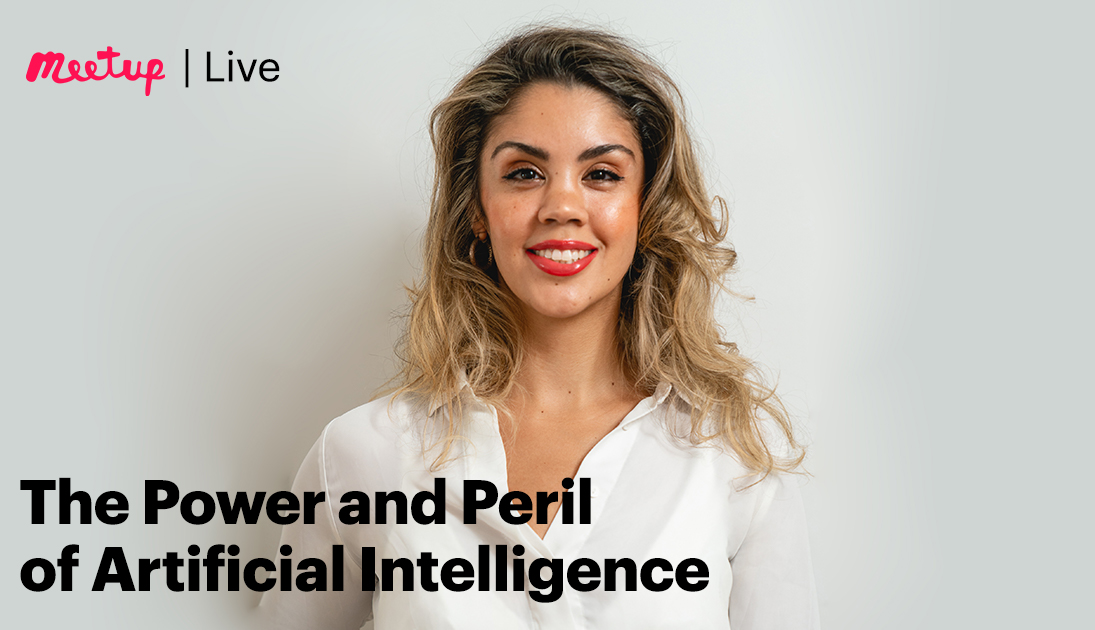
Anne Griffin, an expert in AI, blockchain, and inclusivity will be discussing real-life examples of what goes wrong when we build technology without considering the potential for harmful outcomes. You will learn about algorithms, which are integrated into the systems we interact with daily. Anne will talk about communities that have been affected by AI applications, as well as what some organizations are doing to increase transparency in the field.
Main Takeaways on Artificial Intelligence:
- Artificial intelligence is really a term that comes from the idea that “intelligence” is being mimicked or done by machines. You can also think of it as more designing something that can carry out rational decision making in a way that a human possibly would.
- There are many branches of artificial intelligence. Anything like computer vision and natural language processing like predictive analytics. There are a lot of ways in which it is really beneficial to us. One example here is we’re using live transcription in this event today something like natural language processing, which is a branch of AI is how we’re able to do that because in the past we would need somebody transcribing this really fast, we would have to pay someone to do that.
- The responsibility of AI ethics belongs to everyone, but there is also a larger burden on corporations as they impact so much of our lives and so many people globally. They have a responsibility to make sure that what they’re building is ethical, that it’s fair and as unbiased as humanly possible, and continue to learn and continue to improve on those fronts. I also believe it’s really important for the average person to learn about these topics so that they can understand how the technology in their life is leveraging AI and understand what they’re like.
Top Q&A & Resources:
- How educated do you think everyone should become regarding AI?
- I don’t think everyone needs to go out tomorrow and take a data science class, I don’t think everyone needs to get a degree. I think people should be educated enough to be able to identify the AI being used. When you understand how integrated AI is, you will be aware of the things you’re comfortable with and things you don’t feel comfortable from there you can this figure out what you need to do about that.
- What are the differences between AI and machine learning?
- Machine learning is just one part of AI. Machine learning is a big part of AI where you are taking in data, and outputting it, especially when you think about predictive analytics. That’s like a really big application of machine learning but AI is generally the umbrella.
- Who is responsible for regulations and limitations of AI and the violation of personal privacy rights?
- It depends on what country you’re in. So if you’re based in the United States then that’s definitely our government. The European Union passed the GDPR law, so in Congress, there are committees and the committee might come up with something similar to the GDPR law, but Congress would ultimately have to pass that sort of thing. Just like any other type of law, there are also state-level laws.
Resources:
- Website
- Organizations:
- Books

Last modified on May 24, 2022