



Use these tools and frameworks to recreate your in-person experience in anyone’s living room.
The idea of attending events in person is not really in the cards for many people right now. With the cold weather coming and more people than ever concerned about getting together, in-person networking events are on hold for now.
But that doesn’t mean that your events have to stop.
What most event organizers forget is that your network isn’t coming to an event for the food, ambiance, or even the wine.
They’re coming for the connection.
Your audience is interested in meeting each other–no matter the medium or locale–because the keys to all the doors we need to open are in other people’s pockets. We want to have as many opportunities as possible to meet other people with those keys. So if your in-person events are on hold, here are some things you can do to take that experience and move it online right now.
Step 1: Get Organized
The best events are curated and make you feel that the people in the room are the perfect people for you to meet. This happens when an event organizer is organized. Take the time to review who is actually in your group and identify what they are looking for. Most pre-event questionnaires only ask the basic questions about jobs and titles. If you take a little time to ask more in-depth questions about your participants, you are much more likely to know who should meet at the event and find ways to connect them. That’s a much more valuable experience for everyone. Here are some of the questions you can ask:
Who are your clients?
What is something that you’ve always wanted to learn?
What is your dream outcome for this event?
You can use Google Forms and spreadsheets to keep track of this and have a solid plan for when the online gathering actually takes place.
Step 2: Get Creative
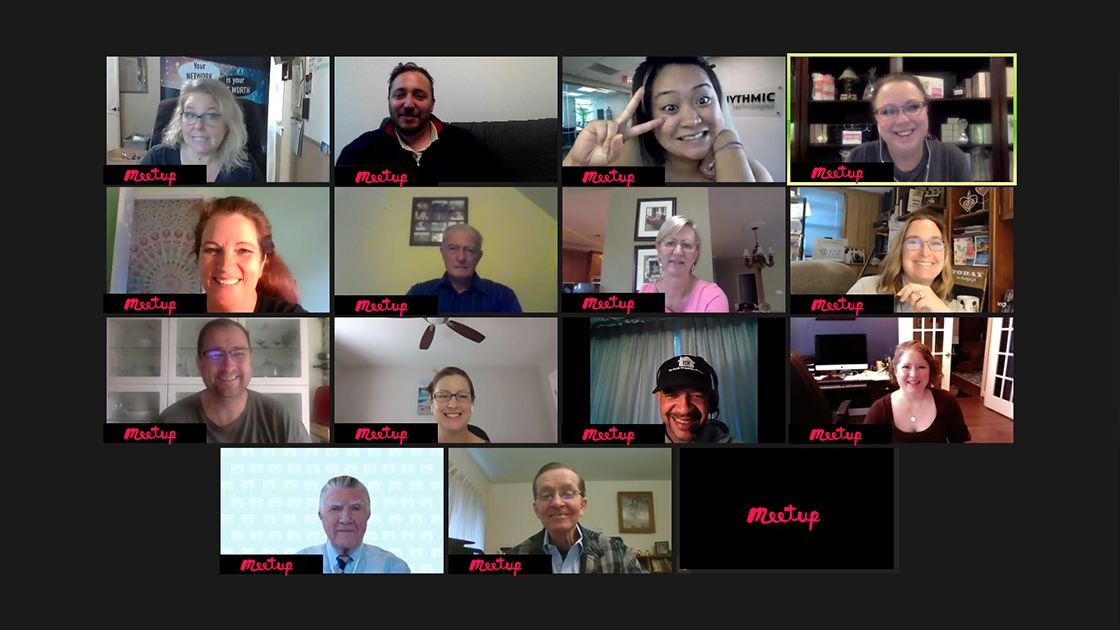
Everyone is in Zoom calls these days, so the last thing you want is for your event to feel like just another meeting or webinar. If you’ve done step one, you already have valuable information about your guests. Keep in mind, Zoom allows you to create breakout rooms so everyone isn’t in one place when they arrive. There are a number of ways you can use this feature to spice up the experience and still give your people the opportunity to connect with one another. Here are a few fun things to try:
The Bar. With breakout rooms, you can recreate what it is like to be at an event with a bar, letting your audience roam freely to meet one another. All you have to do is set up your breakout rooms with topics like, “Anything but Covid,” “Read any good books lately?” or, “The best thing I ever ate.” Then make everyone a co-host. This will give everyone the ability to see all the breakout rooms and move from room to room, meeting each other and having conversations. The main Zoom room they entered acts like a centralized “bar” that they can come back to at any time and check in with the larger group–and you. Note this will not work if the participant is on their phone or an ipad, but it works like a charm on a laptop.
Speed Dating. As the administrator of the breakout rooms, you can decide how long people stay in a room before that room closes and sends everyone back into the main gathering area. You can also move people between rooms manually. This feature can help you create timed speed dating-like experiences. You could host a 2-minute pitch competition for startups, a business speed dating event, or have people do mini-presentations. You control the timing of everything and can orchestrate some fun and engaging experiences.
Murder Mystery. Since an administrator has the ability to pull people in and out of rooms, you can host a murder mystery story. Place clues in various breakout rooms while your participants hop from room to room trying to find the killer. As administrator you can take them out of a room and have them be “dead” for everyone else in the game. It’s a nice change of pace and fun night for your guests.
These are just a few of the things you can do to create fun experiences for your guests, and you can always mix and match the elements above. Which brings me to the most important step:
Step 3: Get Back In Touch
One of the biggest opportunities you have as an organizer is in the follow up after your event. This is a great time to find out what people enjoyed and what they didn’t. You can also learn which connections were helpful and which were not. Add this information to your spreadsheet so you have even more ideas for matches and experiences for your members down the road.
Remember, virtual networking doesn’t have to feel like a boring webinar. It can be fun and memorable, with the potential to recreate the in-person experience using the tools listed above.
So fire up that laptop and start reconnecting with everyone who thought the networking bar was closed.
It’s time to bring the party back online.
Michael Roderick is the founder of Small Pond Enterprises, a company that helps thoughtful givers become Thought Leaders. He writes a daily email about relationship building, referrals, and messaging which you can subscribe to here.

Last modified on June 23, 2021