

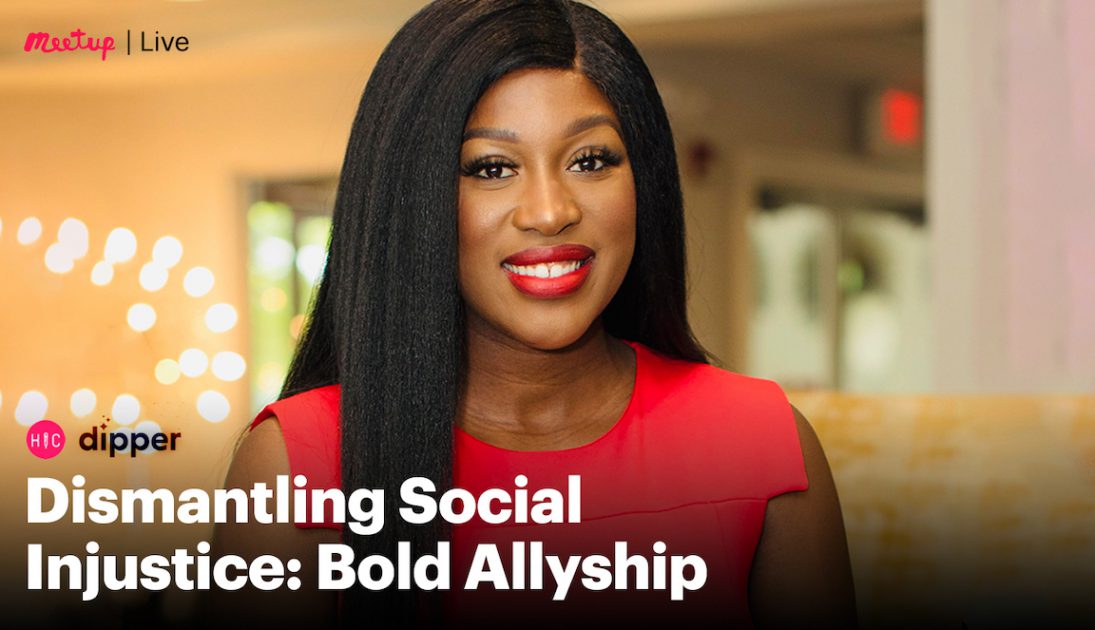



We all have privilege and power, whether we realize or not. Join Netta Jenkins (Founder, Holistic Inclusion Consulting LLC (HIC) and Co-Founder Advisor, Dipper) for a conversation about the systematic and societal issues that impact under-represented groups including women, people of color, and LGBTQIA+ and how you can be a true ally. Learn how to leverage your privilege and power to drive impactful change and practice bold allyship within the workplace, your community, and with friends & family.
Main Takeaways:
- Whenever people hear the word privilege it instills feelings and thoughts of guilt and discomfort. People assume this means their good character is in jeopardy, that their personal struggles don’t matter. They respond by saying, “it’s not my fault, I didn’t ask for this. I don’t know what to do about it.
Understand that having privilege is not an accusation or death sentence. But just like you, black and brown folks, veterans, women, members of the LGBTQ+ populations and differently abled people also have feelings of “it’s not my fault. I didn’t ask for this and I don’t know what to do about it.” - Netta breaks down the word “Ally” into this acronym:
- Always – Always be committed to the process of bold allyship. Never cease in your pursuit to engage in difficult conversations, and advocated for those in need.
- Learn – Learn some more. Continue to educate yourself. Engage in conversation and then seek knowledge about unconscious bias.
- Listen – When you don’t know what to say, you simply listen. Listen for your thoughts and worldview, and most importantly listen to the needs of those you wish to be an ally to.
- Yield -Yield into the discomfort. The role of a bold ally is not an easy one and it really taps into feelings of empathy.
Top Q&A Questions:
- Do you recommend bringing up topics of race with brown and black people or does that “other” them more?
- Don’t make anyone the spokesperson. Many marginalized groups, specifically black and brown professionals in workplaces, have to always be the spokesperson. But you really want to reach out to folks who are doing this line of work to get more understanding.
- What is the incentive for the ally to practice allyship?
- If someone is looking for an incentive to practice allyship then maybe allyship isn’t for that person. The motivation should be that these are other human beings that are being attacked that are being dehumanized. They should not be suffering from this type of trauma. They should not be suffering from the large disparity.
Additional Resources:
- Dipper guides professionals of color to a better workplace one review at a time, whether good, bad or indifferent. Head to their website and share your workplace experience today.
- Go to Netta’s website and click on Resources to find more articles, book recommendations, etc.
- To learn more about Allyship, take Netta’s course.
- Communities for Black Justice and Equity is an organizer-led network of Meetup groups. Their groups share a mission of elevating Black voices and experiences, helping to end racial injustice, and continuing conversations about racism. Organizers who are accepted to the network will have their organizer subscription subsidized by Meetup. Sign up here to start your own group.

Last modified on June 23, 2021