




Once members join your Meetup group, how do you encourage their support and participation? In this Meetup 101 recording, we’re answering the most common questions about fostering healthy membership relations.
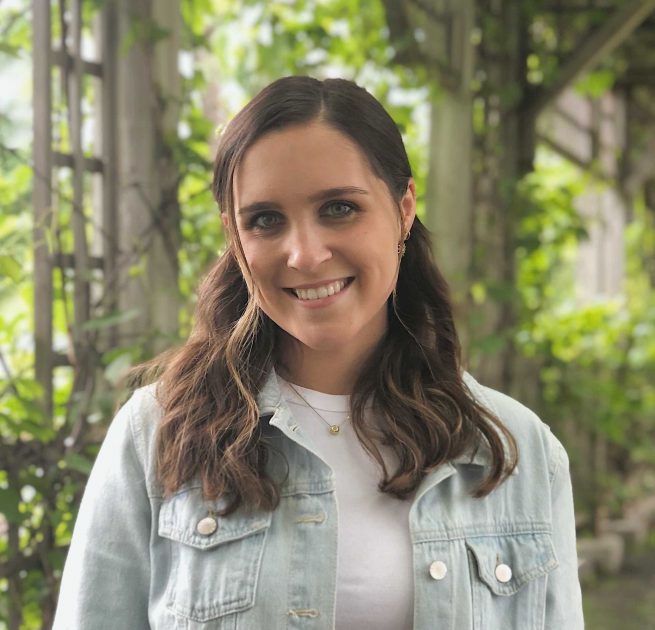
Watch Colin-Pierre Larnerd, Customer Support & Operations Manager; Alex Marden, Customer Support Content Lead; along with Meetup Organizer Mentors David Good and Dale Pollekoff, for insider tips on how you can build the kind of group membership you hope for.
Video Timestamps:
- Intro to the event (1:23)
- Managing Members (5:50)
- Identifying Leadership Teams (20:29)
- Cultivating Engaged Membership (31:20)
- Q&A (41:50)
Top Q&A Questions and Resources:
- Do you think having a small fee (like $2-$5 to RSVP) is effective in keeping no-show rates low?
- Alex: Statistically, the answer to that is yes. I think $2 to $5 is actually a good starting price for event ticketing. Our data has shown that people who invest even a small amount, whether it’s from event ticketing, member dues, or even from contributions which is a new feature that we have available in the U.S. as an optional donation tool. People who’ve committed a small amount of money are likely to turn up when they rsvp.
- How far in advance should you schedule your Meetup events?
- David: I would say about 2 to 4 weeks ahead of time.
- Alex: Events scheduled within 2 weeks are registered by our search engine, so events within 2 weeks are going to hit more urgently on the search results tool. Make sure that you’ve got events scheduled at least within the next 2 weeks, to continue attracting members who are certain to attend. So 2 to 4 weeks ahead of time is a really great and healthy answer, especially if you’ve got a number of events on your calendar.
- What is a healthy way to deal with member-to-member conflicts outside of the organizer’s observations?
- David: Yeah, I’ve had that and it’s very difficult, it’s one of the most difficult things you can do as a Meetup organizer. I try to put up healthy boundaries between myself and members, and not get involved in their personal issues because that’s not my responsibility. There’s a good book on boundaries by Dr. Henry Cloud that I recommend, but still sometimes as organizers, you have to make a call between one member or the other. It’s an extremely difficult leadership question.
- Dale: More often than not, members that don’t fit in with the group realize it and quit. Most of the difficult members I’ve had have just stopped coming, I never even had to say anything. People know when they don’t fit, so luckily you won’t even have to use your own detective work. Give them time and let them figure it out.
Resources:
- David Good
- Dale Pollekoff
- Product Feature Request form
- Stay up to date on product updates
- Meetup’s help center
- For further support from our team or to report a bug, submit a direct request to our team using this form

Last modified on November 30, 2023