
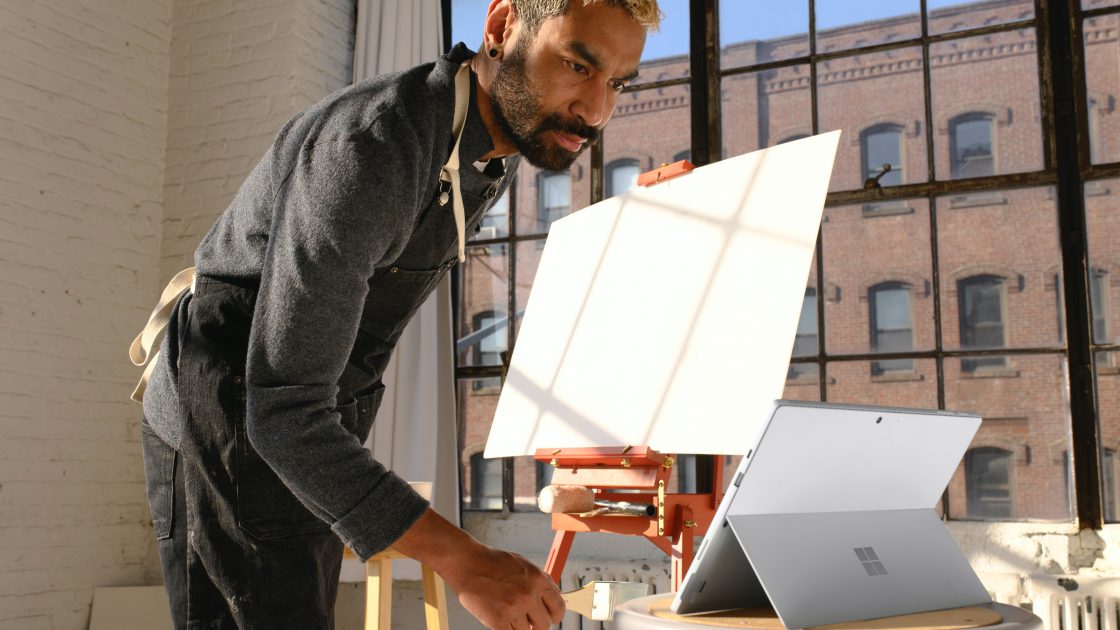



If you’ve ever been “in the zone” during a workout, wondered how four hours passed by while you were painting, or felt like your pen had a mind of its own, you’ve experienced flow. It’s a mental state that psychologists have studied for decades, trying to understand how to induce this positive and productive effect more regularly.
At its core, flow simply means full immersion in an activity. You’re fully absorbed by the task at hand, focused only on your own progress. When you’re flowing, the present is the only time that exists. Many people experience it in their creative and athletic pursuits, but flow can also be achieved in the classroom, the workplace, the kitchen, and just about anywhere else!
The benefits of flow extend far beyond the enjoyment of your activity. People who frequently experience flow have been shown to have better emotional regulation, increased feelings of self-actualization, improved mood, more motivation, and higher skill development.
Although flow is a special state of mind, there are steps you can take to help achieve and maintain it. Catching lightning in a bottle is easier than it sounds if you’ve got the right approach! Here are six tips for finding your flow state.
1. Reduce distractions
Because flow is all about focusing your attention, it’s difficult to experience if your chosen activity is competing for attention with other things in your environment. So make dedicated time and space for you time. For some people, that could be as involved as renting a studio art space. For others, it’s as simple as remembering to turn your phone on silent while practicing yoga.
2. Avoid multitasking
When you’re totally engrossed in one single activity, that’s flow. If you’re trying to achieve a flow state while lifting weights, don’t answer work emails in between sets. Don’t try to write the next great American novel in the margins of your school notes. Don’t do your daily meditation while you’re cooking dinner.
Although multitasking is a valuable skill for workers, students, and parents everywhere, it’s a no-go for flow. When you’re preoccupied, you can’t give your all to your interests.
3. Make time for creativity (even if you’re a beginner)
The realm of creative outlets is where many people report experiencing flow, because:
- There are no “rules” for your creativity and what you produce is never “wrong”
- You have complete personal control over the outcome
- The act of creating yields internal rewards (not based on outside forces)
- Creative work requires strong concentration that causes a sense of timelessness
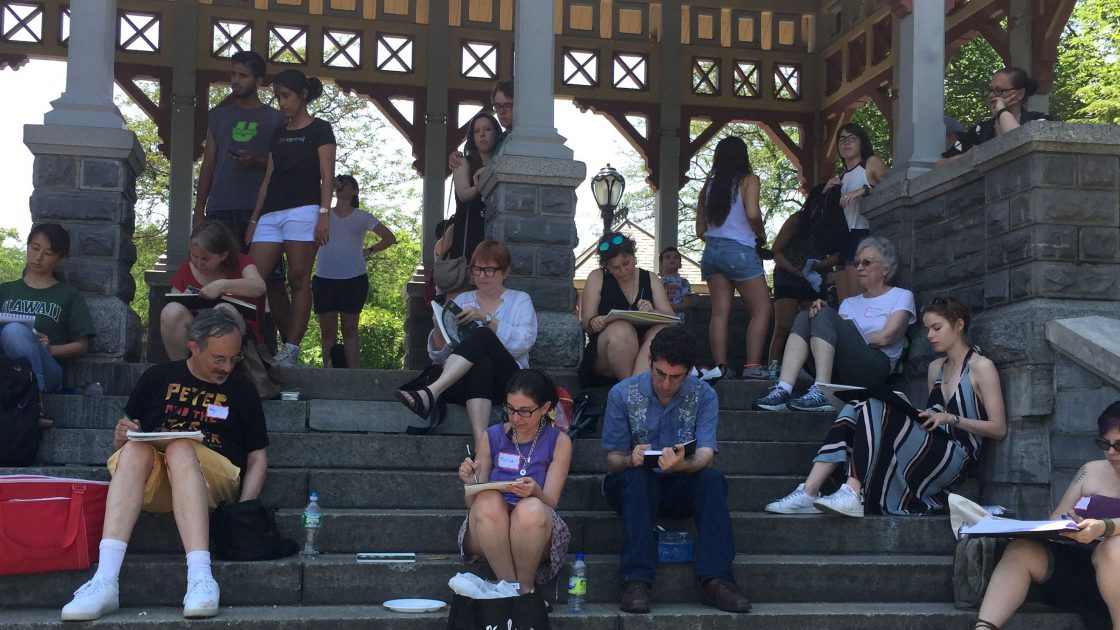
You don’t need a Master of Fine Arts degree to experience creative flow. At the end of the day, flow isn’t about what you make, but how you make it. If you’re at the very start of your artistic journey, you’ll still feel that flow mojo even if what you produce isn’t the most amazing thing ever. Plus, knowing how much room you have to grow is great motivation to get back at it, and start flowing again!
There are artistic Meetup groups of all shapes and sizes who welcome novices and experts alike. You can flow with salsa dancers in Nashville, woodworkers in Seattle, photographers in Denver, songwriters in Atlanta, knitters in Houston, illustrators in New York, and more!
4. Dial in the right difficulty
It’s hard to flow when your activity is either too easy or too challenging. Try to set reasonable goals that are just about manageable, so that you need all of your focus to accomplish them, but you’re not struggling along the way.
5. Don’t force anything
It’s unlikely that you’ll get to a flow state doing something you don’t love. If you find that your mind always wanders while trying to write, or if you dread breaking out the yoga mat, it’s okay to try a different pursuit. The things that inspire flow in you may be different from what inspire flow in others.
6. Dive in
Don’t overthink it, just get started! This guide can put you in the right direction, but trying to calculate the perfect roadmap to flow is actually counterproductive.
If you spend more time on your passions, you’ll find yourself in a state of flow more often: it’s that simple. To help with motivation and accountability, you can discover a Meetup group dedicated to your hobby, or easily create a Meetup group of your own. From there, all you have to do is go with the flow.

Last modified on March 1, 2022