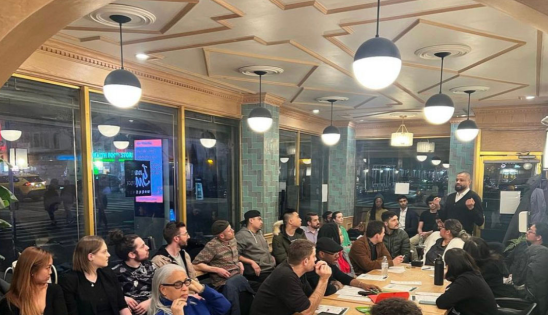




My name is Andy Saldaña and I’m a co-founder of a Meetup group and nonprofit, QueerTech. QueerTech has a mission of “Queering the tech ecosystem” and is based in Montreal, Canada. I am based in New York City, and I am often asked how it came to be that I am a co-founder of an organization in Canada. It’s definitely an interesting story and Meetup played a big role in how it all happened.
In 2014 I was asked to help co-organize a Meetup group in NYC called Gay Tech Meetup. I had recently entered the New York tech ecosystem as an employee of the nonprofit, NY Tech Meetup which runs the largest tech Meetup group in the world with over 60,000 members, and was quickly learning a ton about community, tech, startups, and entrepreneurship.
Creating representation in the tech ecosystem
I had been looking for the groups in tech that I felt comfortable in and at the time, there was a lack of LGBTQ+ tech events in the ecosystem. I definitely saw the Gay Tech Meetup as an opportunity to change that so I started organizing regular events for the group and quickly changed the name to Queer Tech Meetup NYC.
Fast forward to the summer of 2016 when I attended StartupFest in Montreal for the first time. It was my very first time visiting this city, I only knew a handful of people at the conference (none of them queer) and so I expected your average “go to the conference, meet a few new contacts, and then leave” kind of vibe.
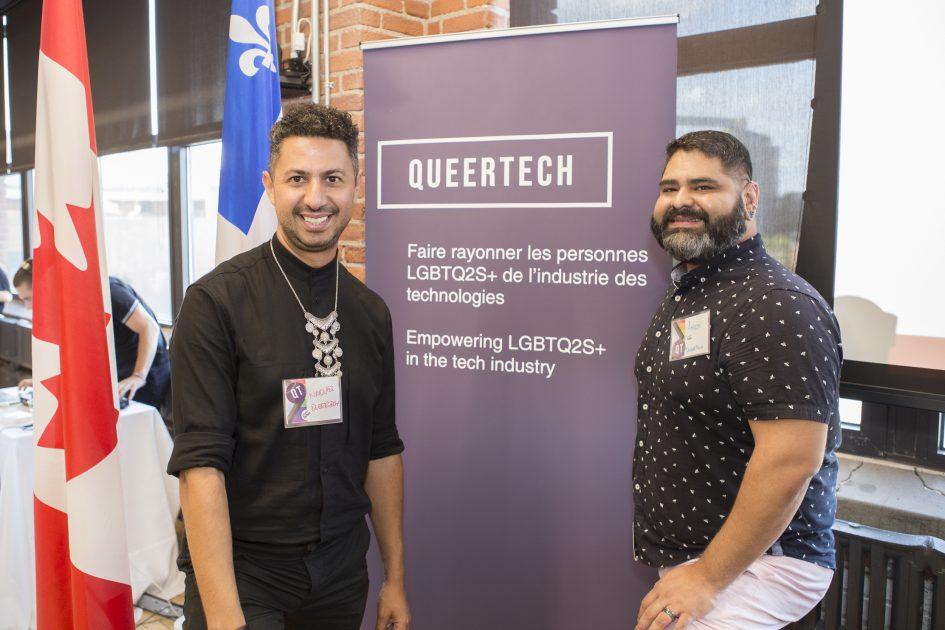
Instead, through a mutual friend, I was introduced to a gentleman by the name of Naoufel Testaouni, and the first thing out of his mouth was, “Oh my goodness, you’re the only other queer at this event, we are going to be friends, and I want to know how you are doing everything you are doing in NYC. I want to do that here.”
We chatted for a couple of hours about tech, and community, and the tech community. That conversation turned into him introducing me to person after person, which turned into drinks, dinner, and even more introductions both in and out of tech over the next few days. It was very apparent to me that Naoufel was a super-connector and that all he needed to get started was to get started. So I armed him with these 6 things I had learned, and off he went.
6 steps to growing a community organically
Both through our new friendship and these 6 things, he quickly grew the QueerTech Meetup Montreal into a Meetup group of over 2,000 members and we decided to incorporate as a nonprofit in Quebec in August 2018.
As we grow and shape this new organization, we continue to rely on these 6 things:
1. Do your research
It’s very necessary to do your research about other Meetup groups, organizations, events in your area, and specific categories. Not only will it tell you what already exists in the ecosystem, but it will also help inform you as to what is missing. This is key to figuring out step 3 where you’ll create your Meetup group.
2. Identify your value proposition
After doing your research and identifying the other groups, networks, communities that are serving your desired community, look at what is still missing, or what you think you can do better. Is it that there isn’t a group in your geographic area or isn’t specific enough for your community? Take that learning, think through what you can uniquely offer and run with it.
3. Create your Meetup Group
Meetup makes it really easy to start your own group. In a few minutes you will have a public-facing space to start organizing. Make sure to call out what this unique value proposition is in your Meetup group description so that others know what you’re all about.
4. Host your first event
Whether it’s online or in person, once you have created your Meetup group, it’s important to keep the momentum going and host your first event. Hosting an event is a whole other blog post, but the key is to bring people together and my suggestion is to always do some kind of mixer where you can meet as many of those in attendance, ask what it is they are looking for and get feedback about what they (your community) wants the group to be. Keep this first event simple and casual in structure.
5. Identify your co-conspirators
As you start to organize the group and your first couple of events, you will come across others in your group that have the same excitement as you and will raise their hand to help. These are your co-conspirators and they will often be the first set of volunteers that can eventually become your co-organizers for your Meetup group. Organizing is hard work and if your goal is growth, then having others to share the tasks, is an absolute necessity. Plus, doing things alone is lonely.
6. Ask for feedback and be ready to adapt
Lastly, you need to ask your community for feedback. Whether through event surveys or through conversations, it’s important to regularly get feedback from your group members as they are why you are organizing your events. Communities change over time due to many factors and keeping your finger on the pulse, allows you to adapt to these changes as a Meetup group and really helps with continued engagement for your group.
These are just a few things that I have found helpful throughout my journey as a Meetup organizer and have been key to creating community and connection!

Last modified on June 23, 2021